February 16, 2026
Understanding dental anxiety, its prevalence, and the importance of choosing the right dentist to alleviate these fears. By recognizing common triggers, past experiences, and emotional responses, patients can take proactive steps toward more comfortable visits and improved long-term oral health outcomes.
Understanding Dental Anxiety
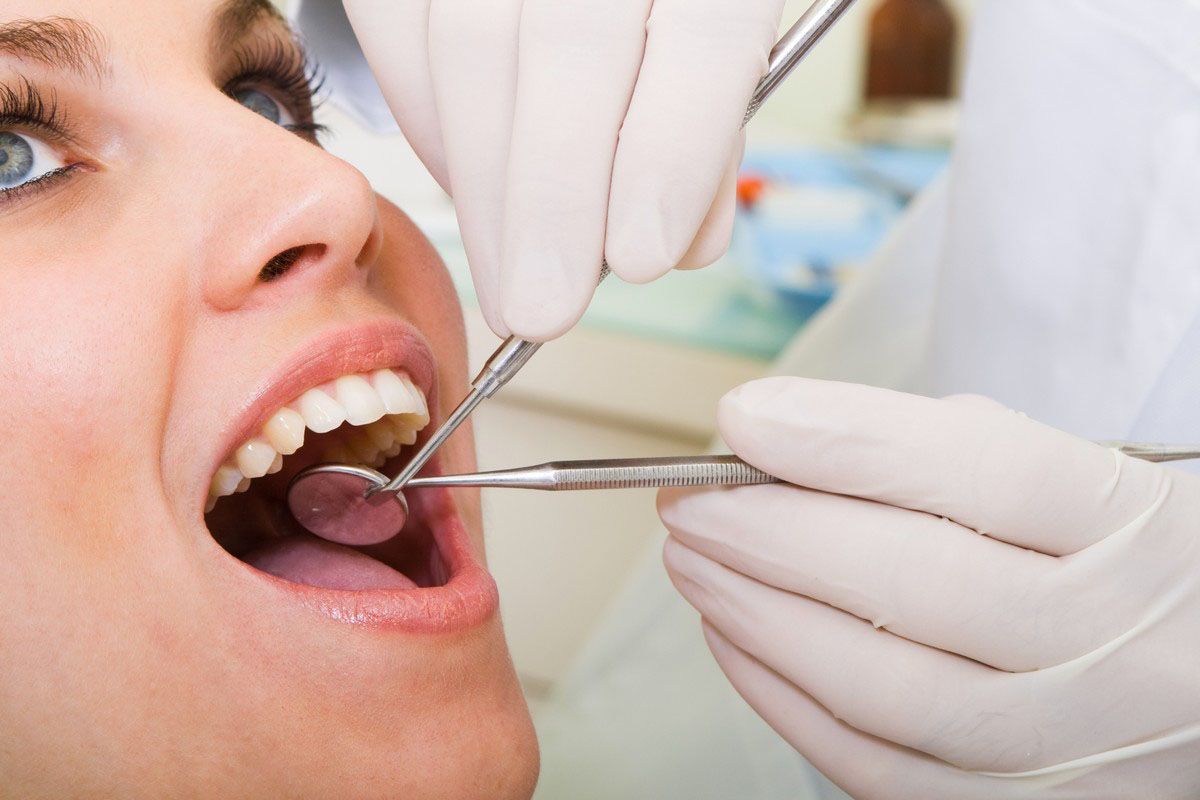
Dental anxiety is a common psychological condition characterized by intense fear and apprehension regarding dental appointments. This anxiety can significantly impact a person's willingness to seek necessary dental care, leading to the neglect of oral health. Symptoms of dental anxiety can range from restlessness and sweating to severe panic attacks when facing a dental visit. Dental professionals encounter many patients who, despite the necessity of procedures, struggle to conquer their fears. By acknowledging the prevalence and symptoms of dental anxiety, individuals can begin the process of finding appropriate solutions that allow them to receive needed care comfortably.
Dental anxiety is more widespread than many realize, affecting millions of individuals worldwide. According to the Cleveland Clinic, approximately 36% of Americans fear dental treatment, underlining the significant impact of this anxiety. People of all ages and backgrounds can experience dental anxiety, though it often begins in childhood and persists into adulthood. The fear of the dentist can contribute to the avoidance of dental appointments, exacerbating oral health issues over time. Such statistics highlight the urgent need for solutions and empathetic dental care to address and manage dental anxiety effectively.
The origins of dental anxiety can be diverse and complex, driven by a variety of factors. A common cause is a past traumatic dental experience, which can create a lasting fear of future treatments. Additionally, the fear of pain, the sound of drills, and feelings of helplessness commonly trigger anxiety among patients. Vicarious learning, such as hearing about others' negative experiences, can also cultivate dental anxiety without firsthand traumatic incidents. Understanding these causes is essential in creating targeted strategies to mitigate anxiety and promote positive dental experiences.
Qualities of the Right Dentist
A dentist's ability to genuinely empathize with a patient's anxiety is pivotal in creating a comfortable environment. Compassionate dentists focus on building trust and understanding each patient's unique fears and reservations. By listening actively and acknowledging concerns, they foster a supportive atmosphere that encourages open communication. This empathetic approach helps reduce stress and makes patients feel more secure and valued during their appointments. Ultimately, compassion and understanding lay the foundation for a dental practice where anxiety is minimized, and constructive, reassuring relationships can flourish.
A dentist skilled in managing patients with dental anxiety can dramatically alter an apprehensive patient's experience. Experience with anxious patients equips dentists with effective techniques to mitigate fear, calming even the most anxious individuals. Through every interaction, these dentists exhibit patience and respect, allowing patients to feel comfortable expressing their apprehensions. Their familiarity with anxiety management strategies aids in creating comprehensive plans tailored to easing each patient's specific concerns. Fostering a safe and welcoming environment in this manner positively impacts overall patient satisfaction and treatment outcomes.
Clear and effective communication is essential for reducing patient anxiety and offering a sense of security. Dentists with exceptional bedside manners engage patients in meaningful dialogue, ensuring that each step of a procedure is understood and anticipated. Fostering open communication also allows patients to express anxieties they might otherwise withhold. A dentist's calming and reassuring presence can significantly alleviate stress, turning apprehensive visits into manageable experiences. By emphasizing these interpersonal skills, dentists can transform dental appointments into positive and empowering encounters for their patients.
Research and Selection Process
The internet is a valuable tool in the search for a dentist equipped to address dental anxiety. Online platforms provide comprehensive directories and reviews that can help narrow down potential candidates. By reading genuine patient experiences and testimonials, individuals can assess which dentists have the expertise to help anxious patients. Seeking out dentists with specialized training in anxiety management and sedation options can further refine searches, ensuring a suitable match. Leveraging these resources facilitates informed decision-making, helping individuals select a dentist who meets their specific needs effectively.
Scheduling consultations and initial visits with potential dentists is essential in assessing comfort levels and compatibility. These preliminary meetings offer opportunities to observe the office environment and the dentist's approach to patient care. It is important for individuals to feel at ease discussing their anxieties and preferences during these visits. Observing firsthand how staff interact with patients and how anxiety is addressed can significantly influence decisions. Approaching this selection process carefully ensures that the chosen dentist is a trustworthy partner in managing dental care needs.
Ensuring a dentist's qualifications and credentials align with patient needs is a crucial step in the selection process. Board certifications, specialized training, and membership in professional organizations all indicate a commitment to maintaining high professional standards. Examining a dentist's educational background and professional history provides insight into their experience and areas of expertise. Verifying these credentials can offer reassurance to patients seeking a practitioner knowledgeable about addressing dental anxiety. This diligence contributes to a confident choice, reinforcing that the selected dentist is equipped to provide competent and compassionate care.
Creating a Comfortable Dental Environment
The physical environment of a dental office plays a substantial role in shaping a patient's experience. A welcoming, soothing ambiance can significantly ease anxiety, contrasting stark clinical settings often associated with fear. Soft lighting, calming colors, and quiet, pleasant music can contribute to creating a more relaxing atmosphere. Ensuring the waiting and treatment areas are comfortable and organized further supports a stress-reducing environment. Dental practices that prioritize such thoughtful elements demonstrate a commitment to patient comfort, making dental visits a more reassuring experience.
The demeanor of dental staff greatly influences a patient’s comfort and anxiety levels during visits. Friendly, approachable personnel contribute to a positive experience by offering reassurance and facilitating open communication. Staff members who demonstrate care and patience can effectively calm nervous patients, making them feel respected and appreciated. The ability to interact pleasantly and empathetically with patients forms an essential component of a supportive dental environment. Investing in a dedicated, compassionate team underscores a practice's commitment to providing stress-minimized, patient-centered care.
Modern dental technology can ease anxiety by making procedures more efficient, less invasive, and predictable. Innovations such as digital imaging and laser treatments reduce discomfort and decrease treatment time, contributing to a more relaxing experience. Utilizing technology to educate and inform patients demystifies procedures, reducing fear of the unknown. By being transparent about technological advances and their benefits, dentists help patients feel more in control and reassured during their appointments. Embracing technology showcases a commitment to providing high-quality, advanced care designed with patients' needs in mind.
Creating a Personalized Care Plan
The right dentist will begin treatment with a comprehensive assessment of both dental health and anxiety levels. Understanding a patient's specific fears allows the dentist to shape a care plan that prioritizes comfort and reduces apprehension. Through dialogue and possibly anxiety evaluations or questionnaires, the dentist gains insight into the patient's experience and expectations. This personalized approach empowers patients by involving them actively in developing their oral health strategy. Ensuring that initial assessments are thorough and considerate sets the stage for effective anxiety management throughout subsequent treatment stages.
Creating individualized treatment plans that account for anxiety levels is integral to fostering comfortable dental experiences. Tailoring treatment plans to include more frequent, shorter visits or scheduling breaks can accommodate the needs of nervous patients. Discussing sedation or anesthesia choices, when applicable, further adapts the treatment to the patient's comfort. Explaining procedures step-by-step, employing gradual exposure techniques, and using visual aids can demystify processes, addressing and reducing specific fears. By crafting intentional, patient-centered plans, dentists can transform daunting visits into manageable, stress-reduced appointments.
Dental anxiety is both common and manageable, especially when patients partner with a dentist who prioritizes empathy, communication, and personalized care. From understanding the roots of fear to creating a calming office environment and customized treatment plans, the right dental team can transform overwhelming appointments into positive, confidence-building experiences. By taking the time to research, schedule consultations, and verify qualifications, individuals can find a provider who truly listens and adapts care to their comfort level. No one should have to sacrifice their oral health because of fear—proactive steps toward choosing a compassionate, experienced dentist can make all the difference in achieving lasting comfort and long-term dental wellness. For more information about the services that we offer, reach out to our incredible team at Distinctive Dental Services, PA today!