April 13, 2026
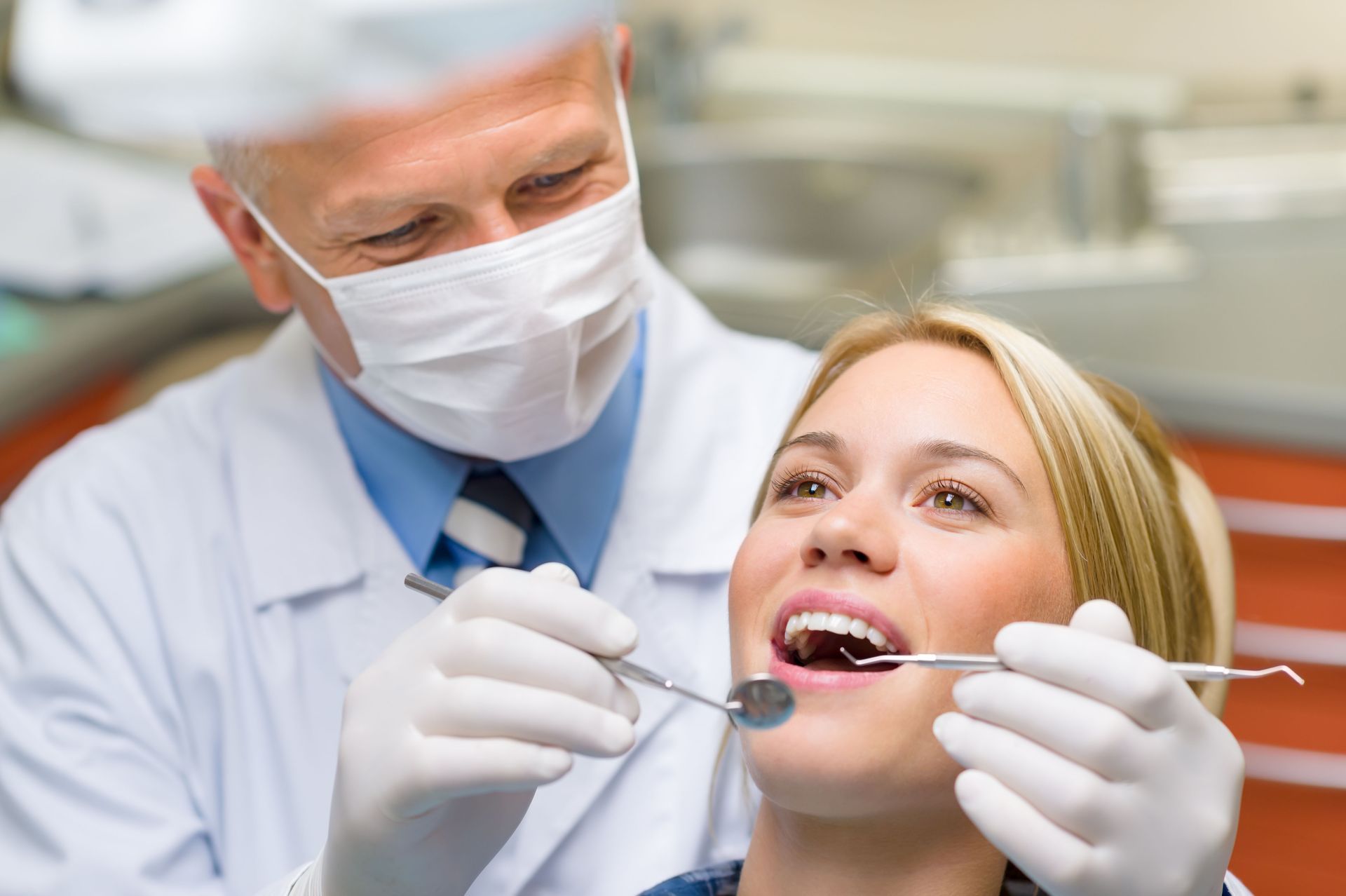
Maintaining a healthy smile is often viewed through the lens of aesthetics, but the true value of regular oral care lies in its ability to safeguard both your physical well-being and your financial stability. Many individuals wait until they experience acute pain or visible damage before seeking professional help, unaware that the most significant dental issues often begin in silence. By shifting the focus from reactive treatment to proactive maintenance, patients can enjoy a lifetime of functional, beautiful smiles without the burden of emergency procedures. Central to this proactive strategy is the routine check-up, a simple appointment that serves as the frontline defense against the progressive nature of oral decay and disease.
The mouth serves as a primary gateway to the rest of the body, and its health is deeply intertwined with systemic wellness. When we neglect the foundational aspects of oral hygiene, we risk more than just a toothache; we risk complications that can impact our heart, blood sugar, and respiratory health. According to the CDC, the three oral conditions that most affect overall health and quality of life are cavities, severe gum disease, and severe tooth loss. Addressing these conditions early through a consistent dental exam is the most effective way to ensure that small, manageable concerns do not transform into life-altering medical or financial challenges.
Detecting Early Tooth Decay
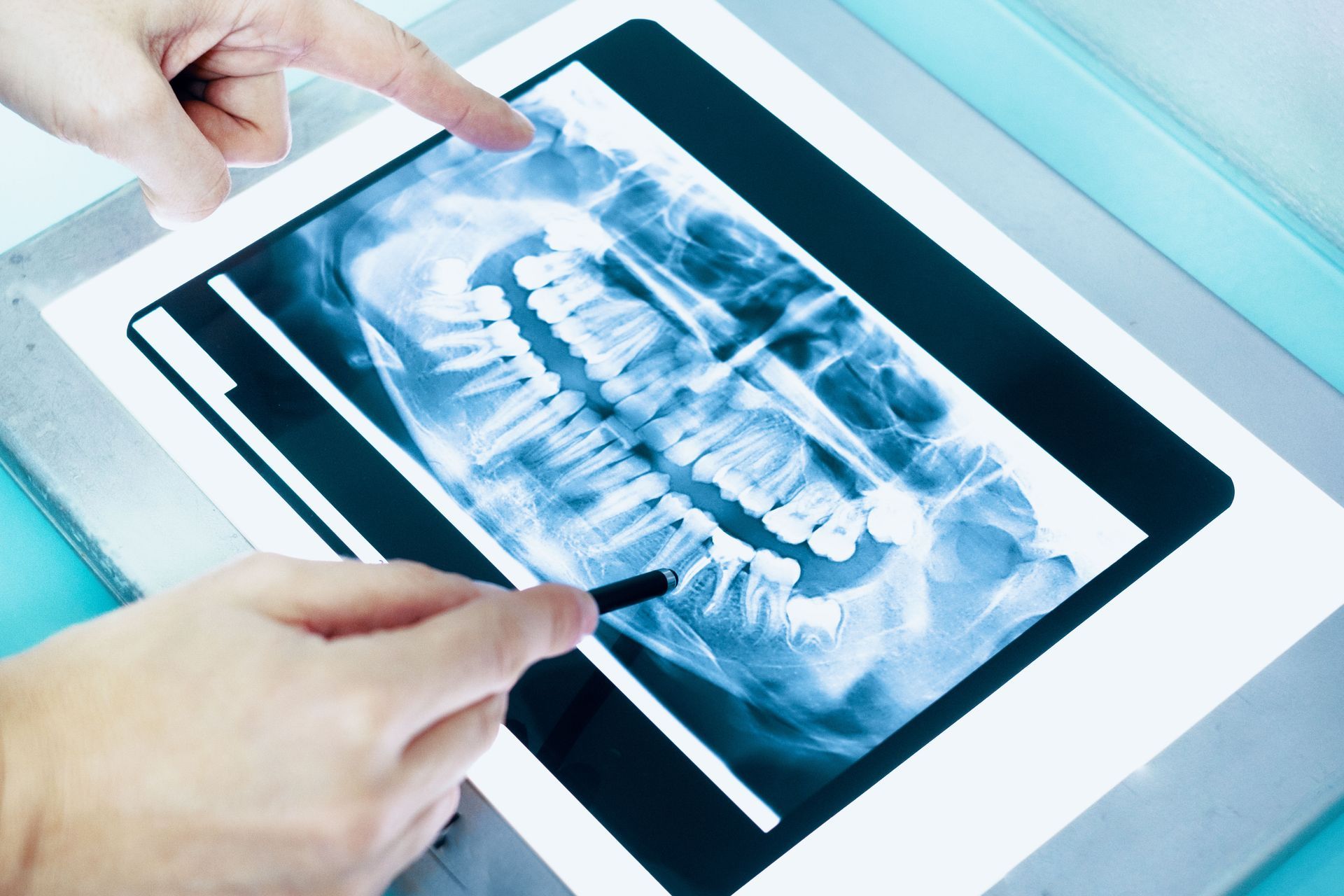
One of the primary benefits of a regular dental exam is the ability to identify tooth decay in its earliest, most reversible stages. During these visits, practitioners use specialized tools and digital imaging to spot demineralization or tiny lesions that are invisible to the naked eye. When a cavity is caught early, it can often be treated with a simple, inexpensive filling or even localized fluoride treatments to encourage remineralization. This early intervention prevents the decay from reaching the inner pulp of the tooth, where it can cause significant pain and necessitate much more expensive treatments.
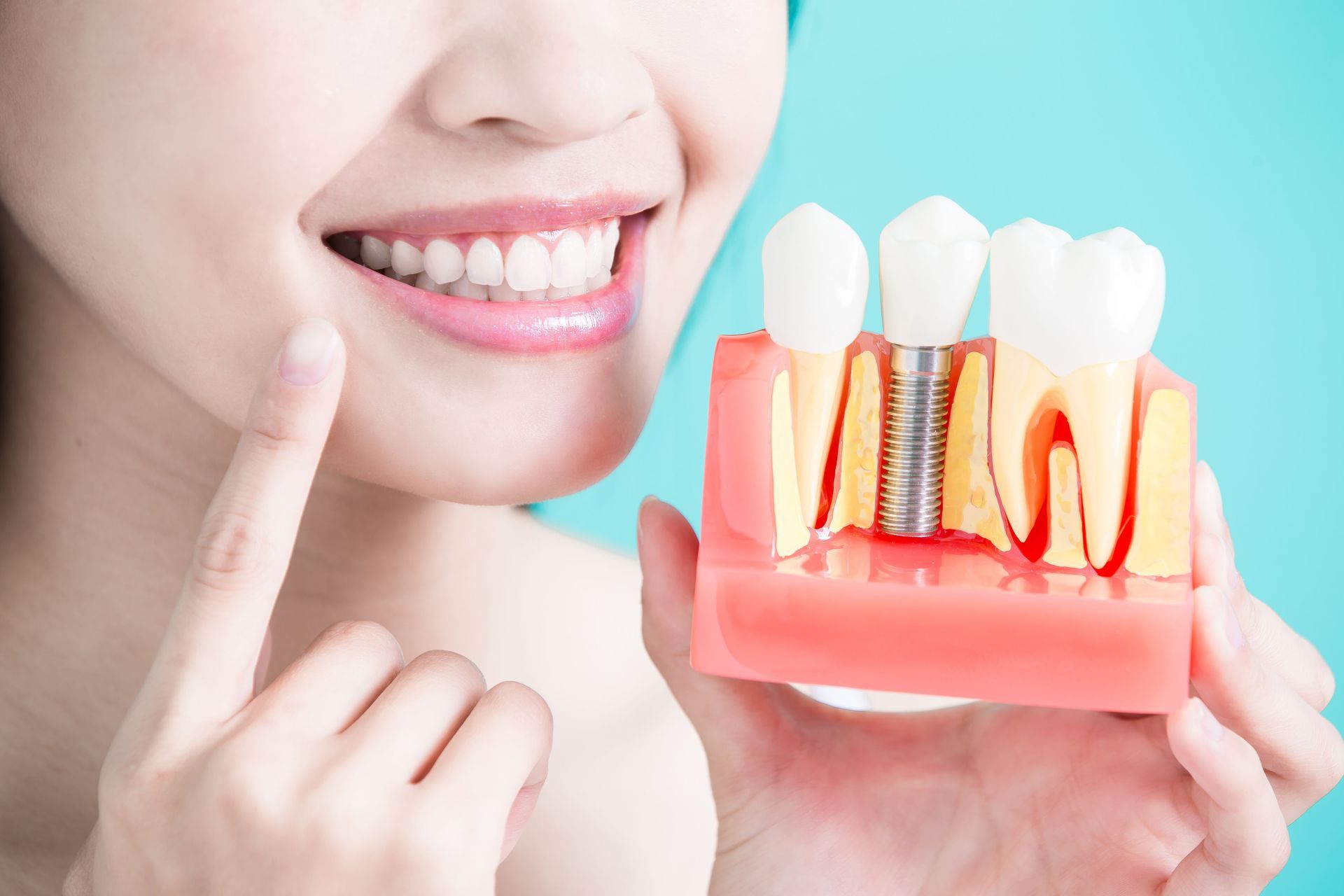
If decay is allowed to progress without intervention, the structural integrity of the tooth becomes compromised, leading to a cascade of costly procedures. What could have been a minor filling may eventually require a root canal, a porcelain crown, or even a full extraction followed by an implant. Each of these restorative steps is significantly more invasive and carries a higher price tag than a routine cleaning and assessment. By prioritizing a dental exam twice a year, patients effectively freeze the progression of decay, ensuring that their natural tooth structure remains intact and their healthcare budget remains under control.
Identifying Silent Gum Disease
Periodontal disease is often referred to as a silent threat because its early symptoms, such as slight redness or minor bleeding during brushing, are frequently ignored by patients. However, chronic inflammation of the gums is a leading cause of tooth loss in adults and has been linked to various systemic health issues. During a comprehensive dental exam, a professional assesses the depth of the pockets between the teeth and gums to check for signs of infection. Detecting gingivitis, the earliest stage of gum disease, allows for non-invasive treatments like professional cleanings and improved home care to completely reverse the condition.
When gum disease is left unmonitored, it advances into periodontitis, which is where the underlying bone and connective tissues begin to deteriorate. Treating advanced gum disease often requires deep scaling and root planing, laser therapy, or even surgical intervention to prevent total tooth loss. These periodontal treatments are not only more time-consuming but are also considerably more expensive than preventive care. Regular monitoring ensures that the foundation of your smile stays strong, preventing the inflammatory damage that leads to bone loss and the eventual need for complex restorative work.
Screening for Oral Cancer
Beyond teeth and gums, a routine dental exam includes a thorough screening for oral cancer and other mucosal abnormalities. Dentists are trained to look for discolorations, lumps, or sores that do not heal, which may indicate the early stages of malignancy. Because oral cancer can be difficult to detect on one's own, these professional screenings are vital for early diagnosis. When caught in the early stages, the survival rate for oral cancer is significantly higher, and the treatment required is much less aggressive than what is necessary for late-stage diagnoses.
The financial and emotional toll of treating advanced oral cancer is immense, often involving surgery, radiation, or chemotherapy. A few minutes of careful observation during a check-up can literally be a life-saving measure that avoids these traumatic outcomes. By including oral cancer screenings as part of a regular dental exam, patients gain peace of mind and the security of knowing that any unusual changes in their oral cavity will be addressed immediately. This level of vigilance is a hallmark of comprehensive care that looks far beyond the surface of the teeth.
Evaluating Existing Dental Work
For many patients, the mouth contains various restorations such as fillings, crowns, bridges, or implants that were placed years ago. These materials are subject to the daily wear and tear of biting and chewing, and they eventually reach the end of their lifespan. A routine dental exam allows a professional to inspect the margins of these restorations to ensure they are still sealing out bacteria. If a filling becomes cracked or a crown becomes loose, it can trap food and bacteria underneath, leading to recurrent decay that can destroy the remaining healthy part of the tooth.
Replacing a failing restoration early is far more cost-effective than waiting for it to fail. For example, if a small crack in an old filling is discovered during an exam, it can be replaced before the tooth fractures or becomes infected. If the patient waits until the tooth breaks, they may find themselves in an emergency requiring a much more complex and expensive bridge or implant. Consistent monitoring ensures that your previous investments in your dental health are protected and that minor repairs are handled before they become major reconstructions.
Preventing Tooth Loss Complications
Tooth loss is a significant oral condition that can lead to a host of secondary problems, including bone resorption and the shifting of remaining teeth. When a tooth is lost and not replaced, the surrounding bone begins to shrink because it no longer receives stimulation from the tooth root. This change in bone structure can alter the shape of the face and make future dental implants more difficult and expensive to place. Through a dental exam, a professional can monitor the health of your bite and recommend preventive measures or early replacements that maintain the alignment and density of your jawbone.
The shifting of teeth that occurs after a loss can lead to malocclusion, which is also known as a bad bite. This causes jaw pain and increased wear on the remaining teeth. Correcting these alignment issues often requires years of orthodontic treatment or extensive restorative work to balance the bite. By maintaining regular visits, you ensure that any signs of tooth instability are caught before they lead to a total collapse of your oral function. Preventing the domino effect of tooth loss is one of the most significant ways to avoid the high costs associated with full-mouth reconstruction.
The path to a healthy smile is not paved with expensive emergency surgeries, but with the consistent, simple act of showing up for preventive care. When you commit to a regular dental exam, you are essentially purchasing health insurance for your mouth, ensuring that small problems never have the chance to become large, painful, and expensive burdens.
Ultimately, oral health is a cornerstone of a high-quality life. By addressing the most common conditions, including cavities, gum disease, and tooth loss, through early intervention, you protect yourself from the systemic health risks and high costs associated with dental neglect. There is no substitute for the professional insight gained during a thorough clinical assessment. Your smile is one of your most valuable assets, and it deserves the protection that only regular professional care can provide. To secure your oral health and prevent future complications, contact Distinctive Dental Services, PA.