August 17, 2026
In this article, we will navigate through the process of a dental exam, clarifying common inquiries and detailing what you can expect during your visit to the dentist. Understanding these processes can help alleviate concerns and encourage regular check-ups for maintaining oral health. Dental exams are a critical part of ensuring your mouth stays healthy and can prevent more serious health issues from arising. By demystifying the process, we aim to encourage more individuals to prioritize their oral health as part of their overall well-being strategy.
Why Are Dental Exams Important?
Early Detection of Dental Issues
Dental exams are crucial for the early detection of dental issues, potentially saving you from extensive procedures later. Detecting cavities or gum diseases in their initial stages can often result in simpler and less invasive treatments. During a routine dental exam, dentists look for signs of trouble before they become significant problems. According to the World Health Organization, oral diseases impact nearly 3.7 billion people globally, highlighting the need for regular dental screenings to catch issues early.
Spotting problems early allows for timely interventions, which can mitigate the progression of diseases. This proactive approach can lead to better outcomes and less discomfort overall, saving you time and money. Regular check-ups can uncover problems not visible to the naked eye, significantly improving your oral health outcomes. Early detection is a key factor in maintaining healthy teeth and gums, as well as preventing more severe complications.
Regular dental exams foster a preventive approach to oral health, aiming to resolve minor issues before they escalate. The dentist utilizes tools and techniques that provide insights into your oral health that you might not be aware of. This is not only beneficial for your oral health but also for your overall well-being, as oral health is intricately connected to general health. By addressing these issues in their infancy, you can prevent the need for more extensive treatments down the line.
Preventive Care Practices
Dental exams serve as a gateway to preventive care, focusing not just on treatment but also on prevention. During these exams, dentists educate patients about best practices in oral hygiene, which can greatly reduce the risk of future problems. From recommending appropriate brushing techniques to discussing dietary impacts, dentists provide tailored advice to maintain optimal oral health. These preventive strategies play a significant role in combating the detrimental effects of neglecting oral hygiene.
In addition to advice, preventive care often includes professional cleaning that removes tartar and plaque hidden beneath the gum line. This cleaning is essential as it greatly diminishes the likelihood of bacteria accumulation and periodontal disease development. Consistent dental exams help reinforce healthy habits, underlining the importance of a proactive approach to oral hygiene. By regularly visiting a dentist, individuals are more likely to stay committed to their daily oral care routines.
Preventive care is a cornerstone of maintaining good oral health, and dental exams are an integral part of this. The guidance provided helps you make more informed choices that benefit not just your teeth, but also your gums and general health. Preventive measures relayed during exams can significantly decrease the likelihood of cavities and gum disease. By preventing these common issues, you safeguard your smile and contribute to your long-term health prospects.
What Should I Expect at My First Dental Exam?
Initial Consultation and Health History
Your first dental exam begins with an initial consultation where your dentist will review your health history. This step is essential as it provides the dentist with insights into your overall health, which can affect oral health. Allergies, medications, and past treatments are discussed to better understand your situation and tailor their investigation accordingly. This comprehensive review ensures that any dental interventions are safe and effective with a complete understanding of your health background.
The dentist may ask questions regarding your daily oral hygiene practices and lifestyle choices. This information aids in identifying potential factors contributing to oral health issues and in formulating a preventive plan moving forward. Insight into your habits allows for personalized advice that aligns with both your health considerations and lifestyle preferences. By initiating open communication with your dentist, you facilitate a more accurate assessment of your oral health needs.
During this consultation, any immediate dental concerns or symptoms you're experiencing will also be addressed. Openly discussing your symptoms ensures that the dentist is aware of your priorities and can focus the examination accordingly. This initial consultation is your opportunity to forge a partnership with your dentist, building trust and sharing valuable information that will guide future interactions. By understanding your comprehensive health history, your dentist can plan a tailored approach to maintain your oral health optimally.
Comprehensive Dental Examination
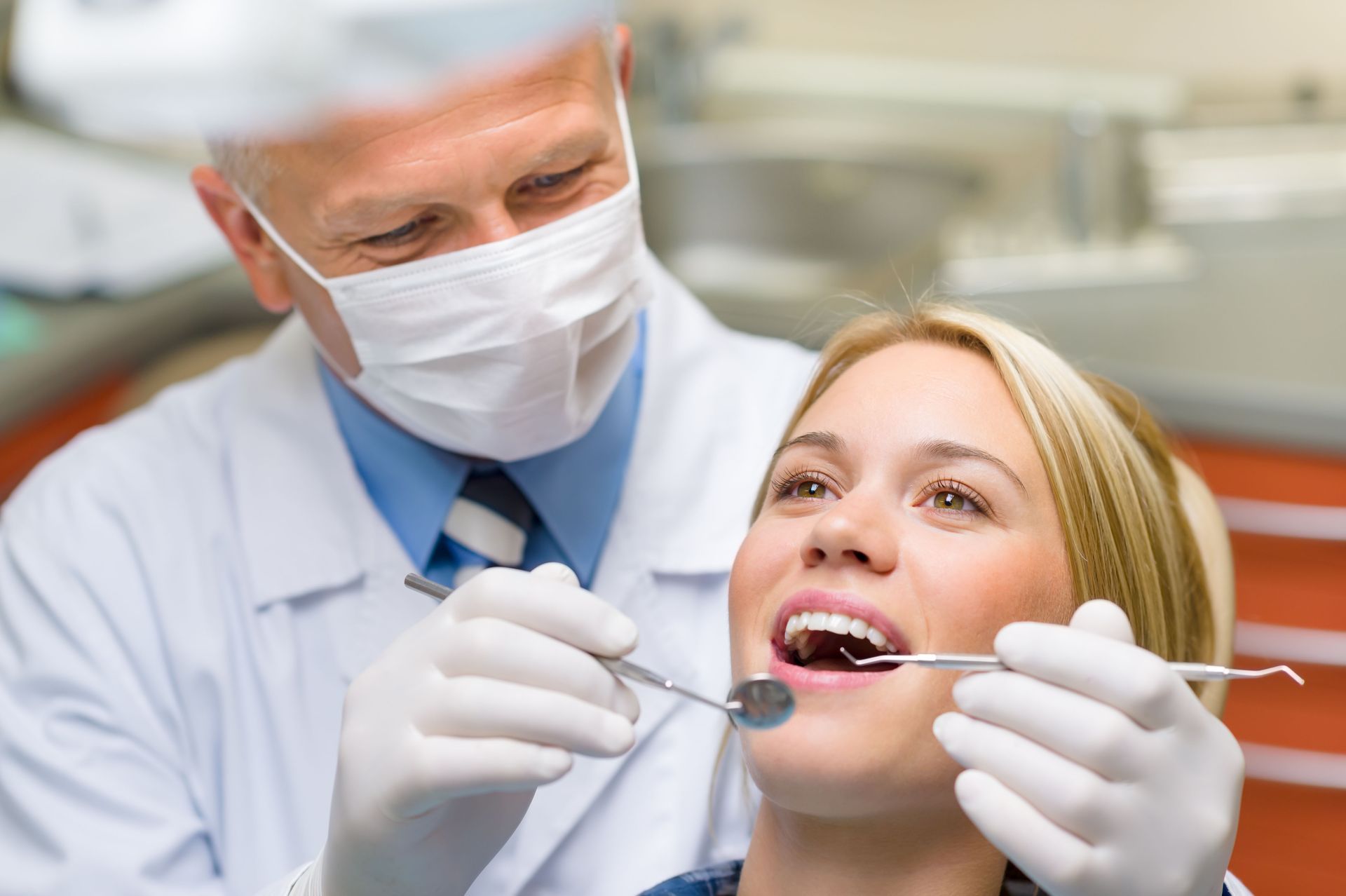
A comprehensive dental exam is a multi-step process that investigates various aspects of your oral health. During the examination, your dentist will evaluate your teeth, gums, jaw, and bite. They will look for signs of decay, peeling, swelling, redness, or tenderness that may indicate underlying conditions. This inspection is thorough, ensuring that any subtle signs of trouble are noticed and addressed promptly.
The exam also includes a screening for oral cancer, using visual inspection and possibly palpating the neck and throat. Detecting oral cancer in its early stages significantly increases treatment efficacy and survival rates. This part of the exam underscores the importance of regular screenings, especially as certain populations are more susceptible due to lifestyle or hereditary factors. Dentists are trained to identify anomalies that may be easily overlooked by an untrained eye, making professional evaluations essential.
Furthermore, a comprehensive exam involves the inspection of existing dental work and restorations for wear or damage. Evaluating fillings, crowns, and other dental appliances ensures their functionality and replaces them as necessary to prevent further issues. By investigating every component of your oral structure, the dentist can provide an accurate diagnosis and a holistic plan to maintain your dental health. This meticulous approach lays the foundation for a proactive treatment strategy that significantly benefits your oral health.
How Often Should You Have a Dental Exam?
Recommended Frequency
The recommended frequency for dental exams largely depends on individual health needs and risk factors. Generally, it is advised for most people to visit the dentist every six months for a routine exam and cleaning. This bi-annual schedule allows dentists to monitor changes and address emerging issues promptly. However, this general recommendation is adaptable based on your oral health status and general health considerations.
Some individuals with heightened risks of dental diseases may need more frequent visits. Conditions such as gum disease, a history of frequent cavities, or systemic diseases like diabetes can necessitate additional oversight. For these individuals, more regular exams can prevent the swift escalation of dental problems and maintain better oral health. Availability of such personalized plans highlights the tailored approach modern dentistry adopts to accommodate varying needs.
Factors Influencing Exam Frequency
Numerous factors affect the frequency of dental exams recommended for an individual. Lifestyle choices like smoking or a high-sugar diet might increase the need for frequent visits due to higher decay risk. Genetic predisposition to oral health issues can also necessitate more frequent dental exams as part of a vigilant monitoring plan. Understanding these personal risk factors allows you and your dentist to devise a schedule that appropriately supports your health needs.
The current state of your oral health plays an integral role in determining exam frequency as well. Individuals with pre-existing conditions, such as advanced periodontal disease or a history of oral cancer, may need consistent supervision. For those whose previous exams reveal issues, subsequent visits are essential to manage those conditions effectively and thereby reduce future risks. These tailored schedules acknowledge unique needs while prioritizing preventive and active care.
Regular dental exams play a vital role in ensuring good oral health and preventing complicated dental issues. Being informed about what to expect can help ease the process and encourage proactive oral care practices. Prepare for your dental appointment knowing that these steps are pivotal in maintaining a healthy, happy smile. Engaging with dental care as a continual partnership rather than a sporadic intervention fosters improved health and awareness over time. As you prioritize consistent exams, you take a critical step towards holistic health and well-being. Reach out to Distinctive Dental Services, PA today to see how we can help you!