September 18, 2026
Maintaining optimal oral health is an essential aspect of overall well-being, and dental prophylaxis plays a pivotal role in this pursuit. Dental prophylaxis, commonly referred to as a teeth cleaning procedure, involves the preventive care of the teeth and gums to avert oral diseases. Understanding dental prophylaxis is crucial for everyone as it is foundational in preventing issues like cavities, gum disease, and even tooth loss among adults. Developing an awareness of this procedure can empower individuals to make informed decisions about their dental care and establish sustainable oral hygiene habits. This article delves deeply into the concept, process, and benefits of dental prophylaxis, as well as addressing common concerns and advancements in the field.
Understanding Dental Prophylaxis
Definition and Purpose
Dental prophylaxis is a preventive dental measure intended to preserve oral health by removing plaque, tartar, and stains from teeth. Its primary purpose is to clean the teeth and gums to prevent the onset of diseases such as gingivitis and periodontitis. By eliminating bacterial colonies that cause oral diseases, dental prophylaxis reduces the risk of significant dental issues. Essentially, it acts as an essential part of a comprehensive oral care plan, working to extend the longevity of the natural teeth. People of all ages can benefit from understanding and committing to regular dental prophylaxis.
Health Benefits
Regular dental prophylaxis offers myriad health benefits beyond simply cleaning the teeth. It can significantly reduce the prevalence of cavities, as it targets plaque that harbors cavity-causing bacteria. Additionally, by preventing gum disease, it helps maintain the stability of teeth within the jaws. For elderly individuals, where complete edentulism (tooth loss) is more prevalent, maintaining natural teeth through consistent prophylaxis can drastically enhance quality of life. Furthermore, an oral hygiene routine amplified by dental prophylaxis contributes to fresher breath and can bolster one’s confidence significantly.
Components of the Procedure
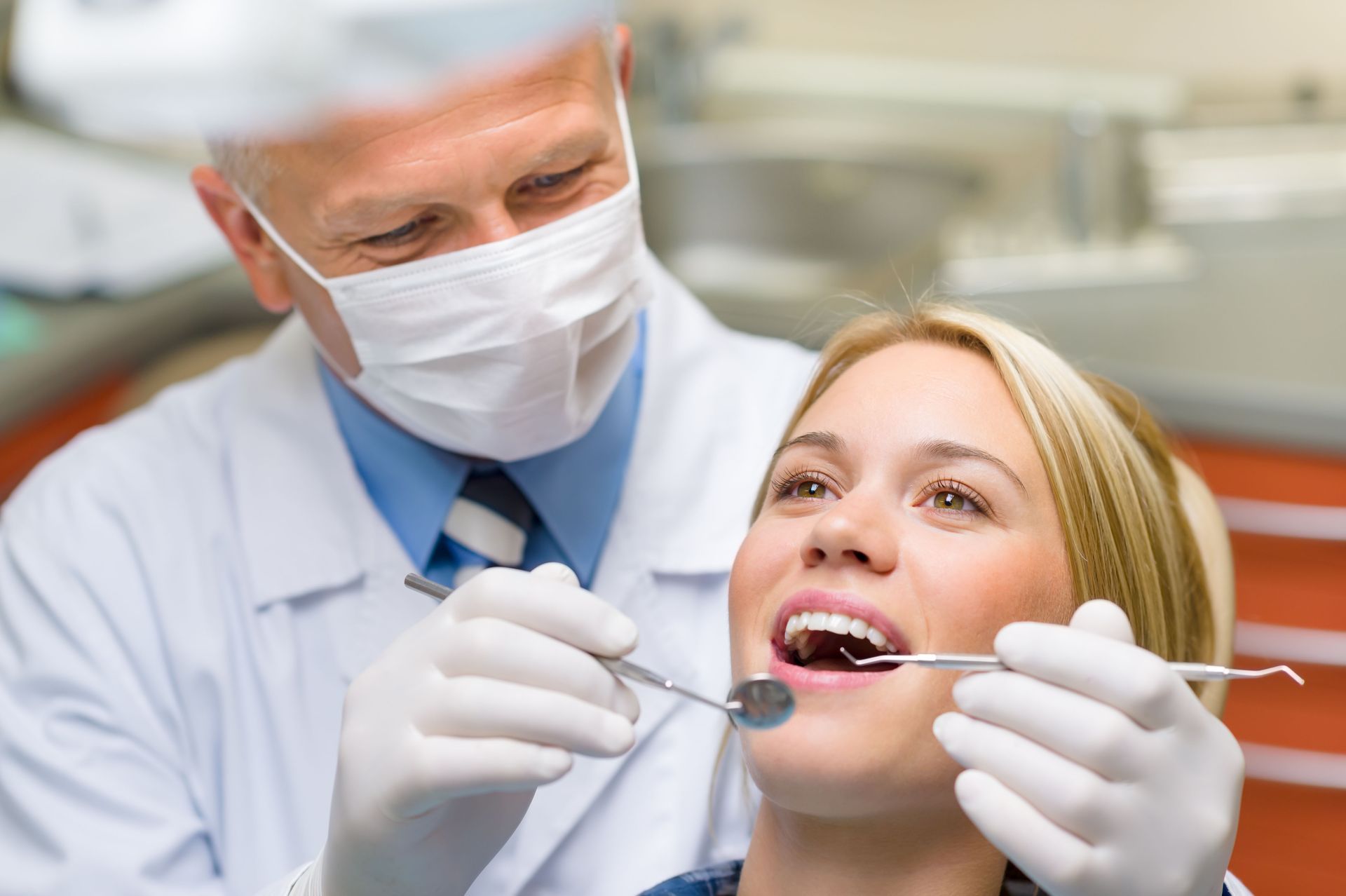
A typical dental prophylaxis procedure involves several key components that ensure thorough cleaning and health assessment of the oral cavity. The process begins with a comprehensive examination, where dentists assess the condition of the teeth and gums. This is followed by scaling, where plaque and calculus are meticulously scraped from above and below the gum line. Polishing techniques then remove surface stains and smooth the tooth surface to make it more resistant to plaque build-up. The procedure usually concludes with flossing and potentially a fluoride treatment, which further fortifies tooth enamel against decay.
Differences from Other Dental Procedures
Dental prophylaxis is distinct from other dental procedures such as fillings or extractions, as it is preventive rather than corrective. While procedures like fillings and root canals address existing oral health issues, prophylaxis works proactively to prevent these issues from occurring. Moreover, unlike diagnostic procedures like X-rays, which help identify potential problems, prophylaxis directly acts to improve oral hygiene. It is part of routine maintenance rather than emergency or corrective care, emphasizing regularity to avoid the need for more invasive dental treatments. This distinction highlights the importance of prophylaxis in maintaining rather than just repairing oral health.
The Process of Dental Prophylaxis
Initial Examination
The initial examination during a dental prophylaxis procedure is critical for setting the stage for effective cleaning. It involves a detailed assessment of the teeth, gums, and oral tissues. Licensed dentists or hygienists carefully inspect for signs of decay, gum disease, or other potential health concerns. This step is necessary to tailor the prophylaxis to the individual's unique oral health needs and identify areas needing special attention. Additionally, it allows dental teams to check for any changes since the last visit, ensuring ongoing dental care is aligned with current conditions.
Scaling and Cleaning
Scaling is the first major step in the cleaning process of dental prophylaxis and involves the removal of plaque and tartar. This is crucial because these deposits can harbor bacteria that contribute to gum disease and decay if not removed. A dental hygienist usually performs scaling using specialized tools to scrape the deposits away from both above and below the gum line. Following scaling, a thorough cleaning is conducted to eliminate any remaining plaque, making it harder for bacteria to reform. The result is not only healthier gums but also brighter teeth, contributing to a confident smile.
Polishing and Flossing
After scaling, the next steps are polishing and flossing, which serve to enhance the cleanliness and appearance of the teeth. Polishing helps remove surface stains and smooths the tooth surface, which makes it more challenging for new plaque to adhere. It also leaves the teeth looking shinier and brighter. Flossing is then used to rid the spaces between teeth of any lingering debris that might have been missed during cleaning. These steps ensure that the mouth is completely cleansed and less susceptible to plaque build-up until the next prophylaxis session.
Fluoride Treatment
Fluoride treatment is often the concluding step in a prophylaxis session, fortifying the teeth against decay. This treatment involves the application of a fluoride gel or varnish, which strengthens tooth enamel and helps prevent cavities by making the tooth surface more resistant to acid attacks. This additional layer of protection is especially beneficial for children who are in the cavity-prone years and older adults at risk of tooth decay. The treatment is quick and painless, offering long-lasting benefits that sustain oral health until the next dental visit. It serves as a protective finish that complements the thorough cleaning provided by prophylaxis.
Common Questions and Concerns
Is it Painful?
A common concern regarding dental prophylaxis is the potential for pain or discomfort during the procedure. Typically, prophylaxis is not painful, but some may experience minor discomfort, especially if there is significant tartar build-up or gum inflammation. For those with sensitive teeth, discussing concerns with dentists beforehand can help address and mitigate discomfort. Advancements in dental technology and techniques have made prophylaxis procedures more comfortable than ever. Communication with the dental professional is key to ensuring a pain-free experience.
Insurance and Costs
Understanding insurance and costs associated with dental prophylaxis is important for planning regular oral care. Many dental insurance plans cover routine prophylaxis procedures at a frequency of twice a year as part of preventive health benefits. Costs without insurance can vary based on geographic location and individual dental practices. However, investing in regular prophylaxis can prevent more expensive and extensive dental procedures in the future. It's advisable to verify specific coverage details with an insurance provider before scheduling a prophylaxis appointment.
How Does It Affect Oral Health?
Dental prophylaxis plays a critical role in maintaining long-term oral health by preventing common dental diseases. Regular cleanings can dramatically reduce the likelihood of developing cavities and periodontal issues. Furthermore, prophylaxis supports healthy gums by removing tartar that can irritate the gum tissue, potentially leading to inflammation and disease. For older individuals, regular prophylaxis can help combat tooth loss, which is prevalent in the age group over 65, according to I Data Research. Proactively addressing minor issues before they escalate contributes to overall health and well-being.
Impact on Sensitive Teeth
Individuals with sensitive teeth often worry about the effects of dental prophylaxis on their condition. During the procedure, specific attention is given to applying gentle techniques to minimize discomfort for those with sensitivity. Experienced dentists might also recommend desensitizing toothpaste for use both before and after prophylaxis to alleviate any sensitivity. Communicating concerns about sensitivity ensures that the dental professional can tailor the procedure to the patient’s comfort level. With proper care, individuals with sensitive teeth can benefit fully from prophylaxis without adverse effects.
Dental prophylaxis is a crucial practice in maintaining comprehensive oral health. Its preventive approach helps avert significant dental issues like cavities and gum disease, contributing to longer-lasting natural teeth. Embracing regular dental prophylaxis empowers individuals to maintain optimal oral hygiene and curtail complex dental treatments in the long run. With the support of advancements in technology and techniques, prophylaxis has become more efficient and patient-friendly. As we continue to value our oral health through informed practices like prophylaxis, we invest in our overall well-being and quality of life. Contact Distinctive Dental Services, PA today to learn more.